Beetle Progress Report

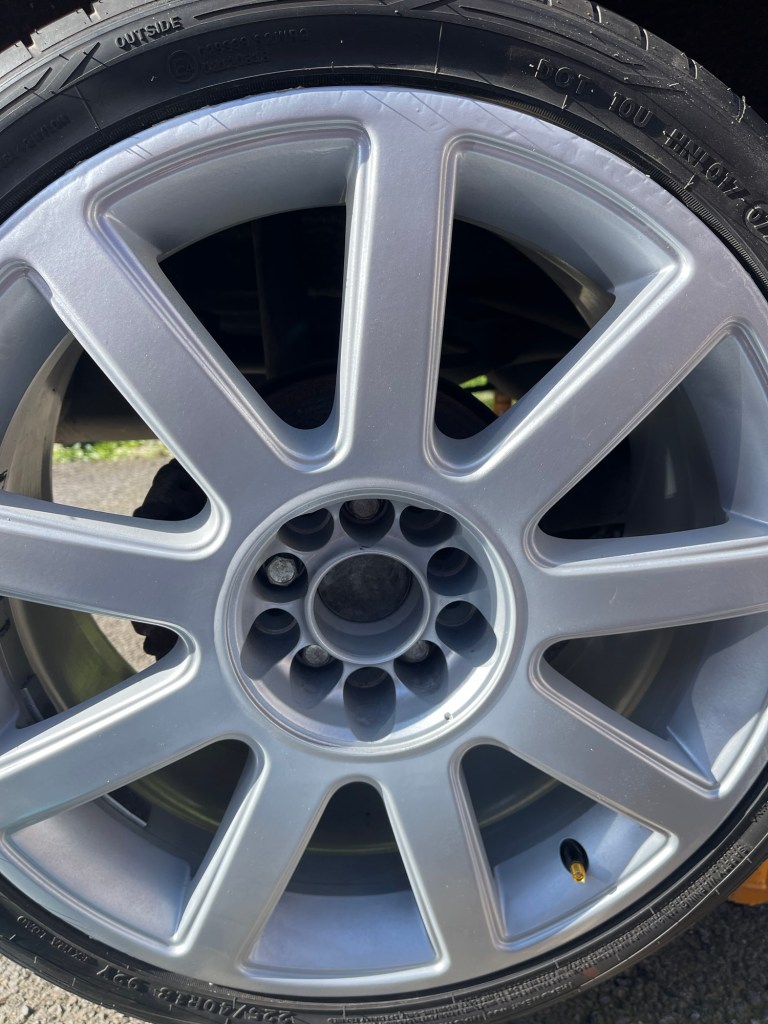
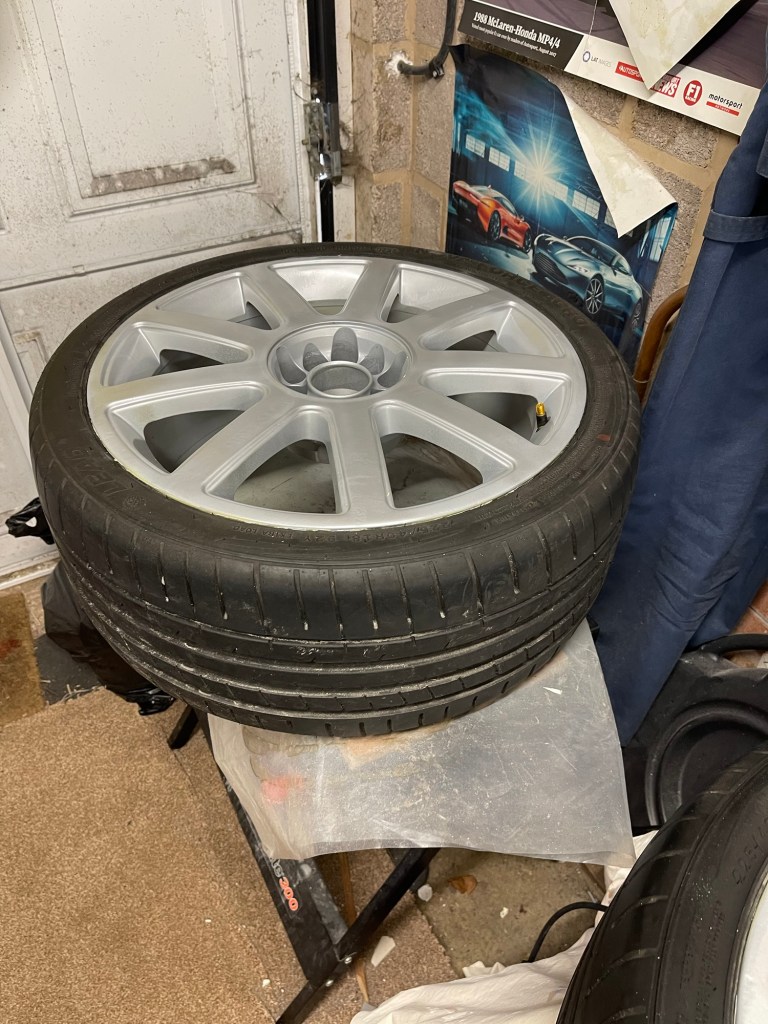
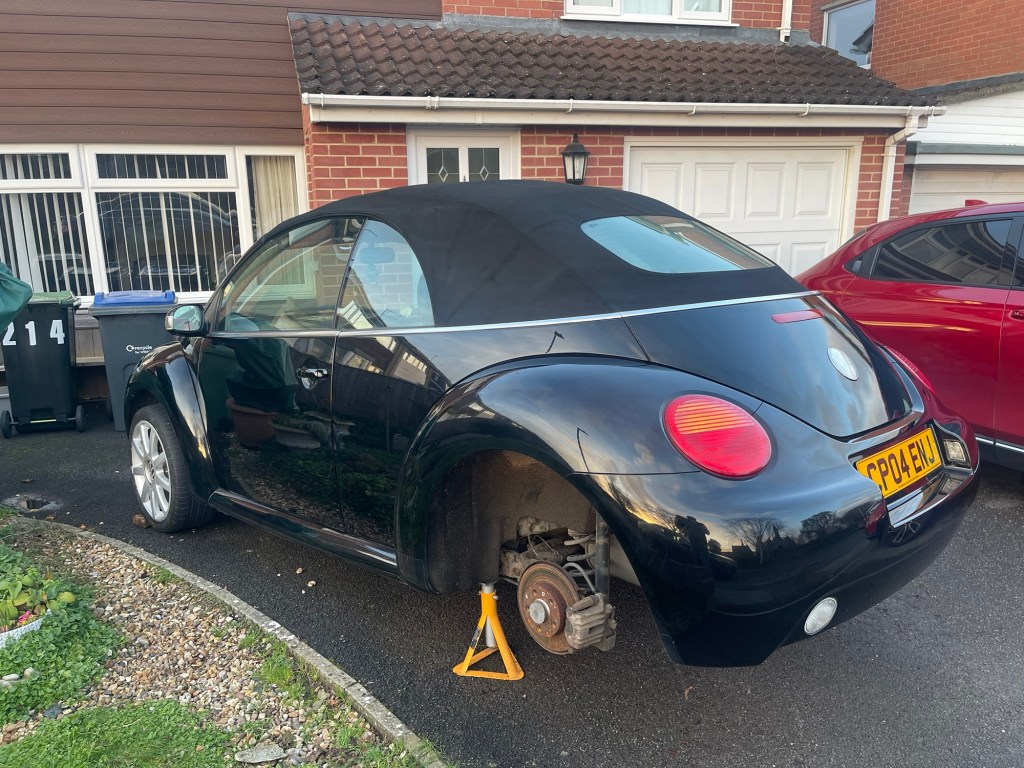
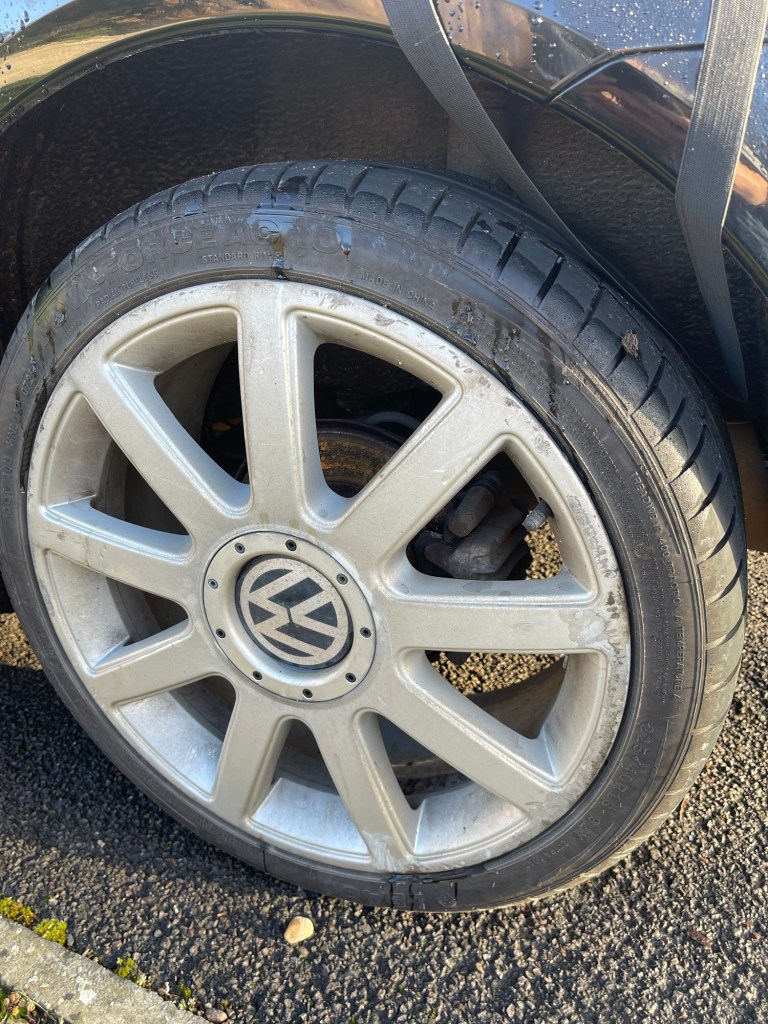
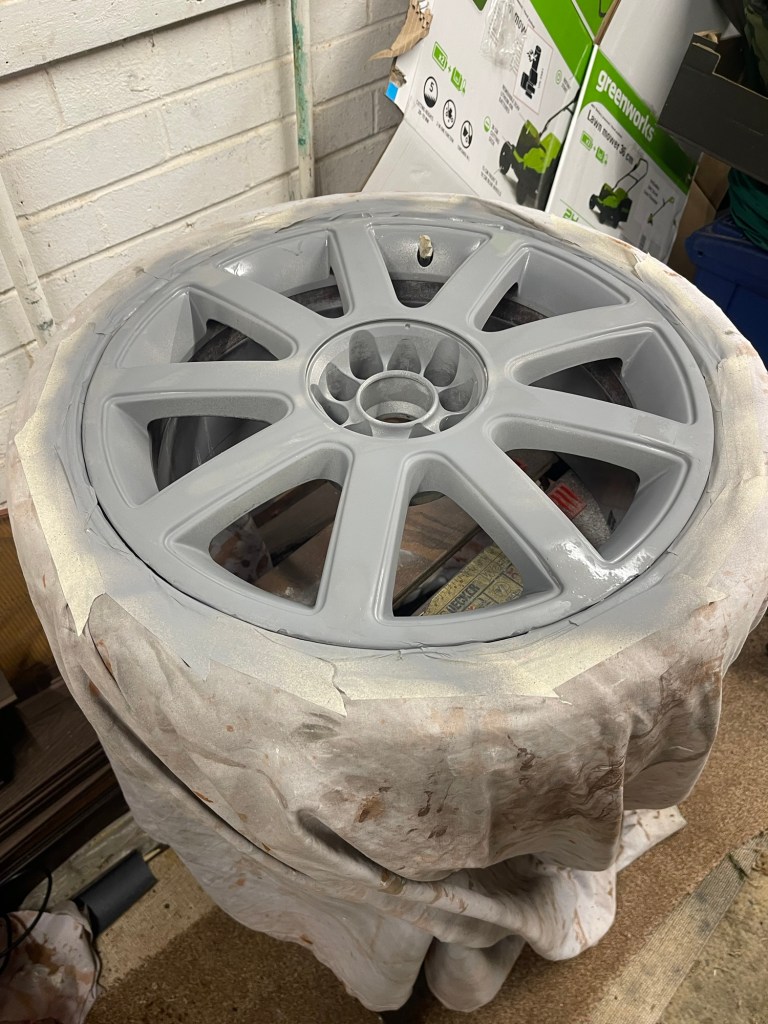
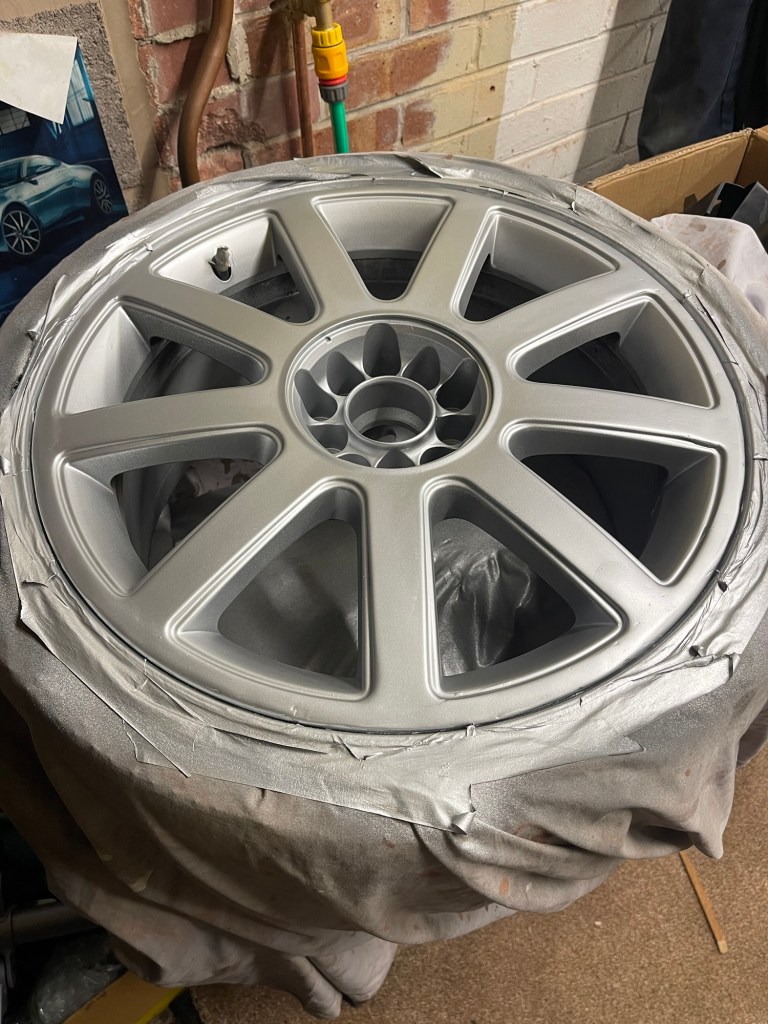
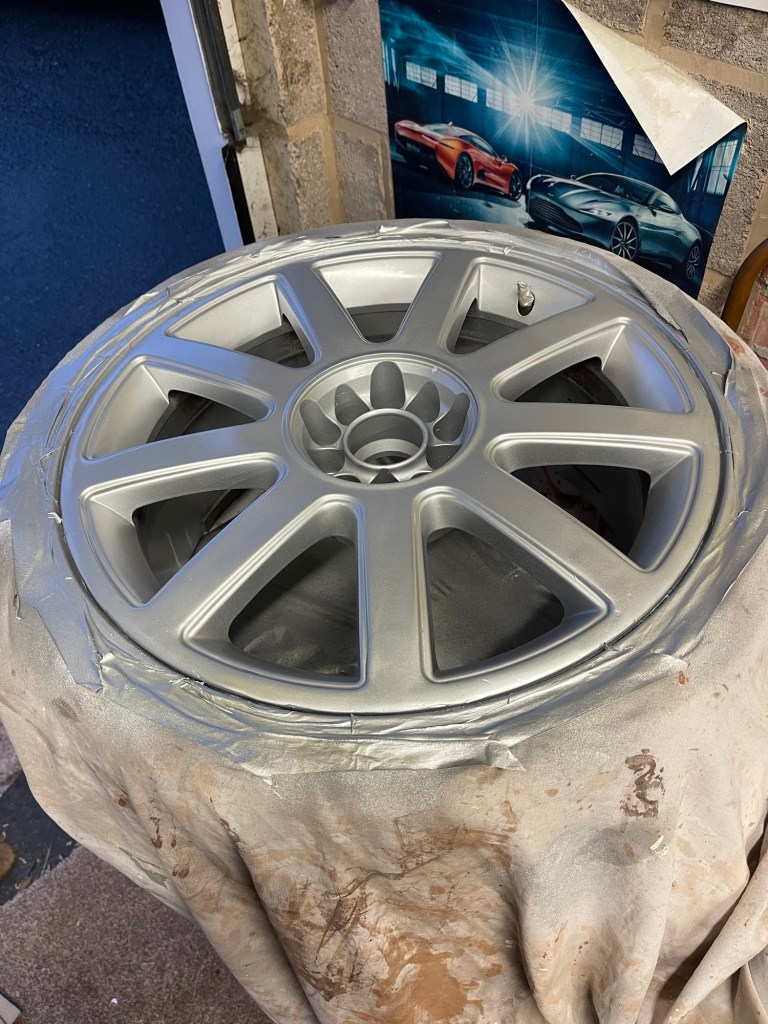
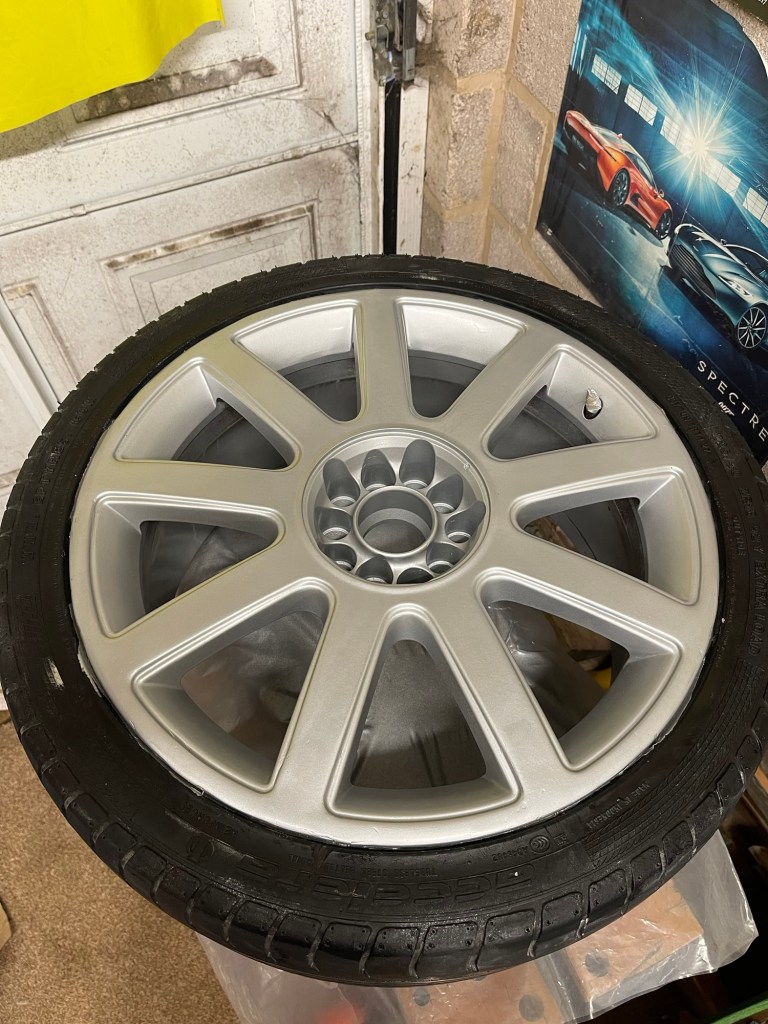
I managed to finish my repaint of the rear wheels through the week so first thing this morning I removed the last of the masking tape and refitted the wheels. There’s a nack to putting a large heavy alloy wheel on with studs and I started to get there today, with it between my knees and shuffling on my knees to ease it onto the stub at the same time threading one stud to secure it.

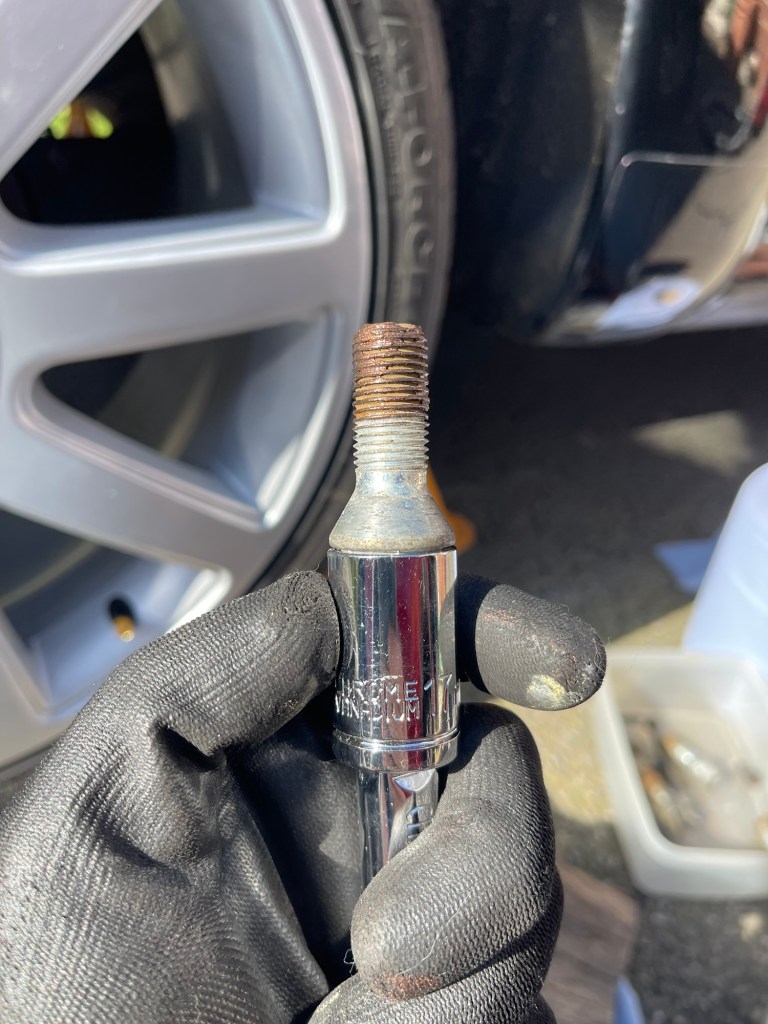
Given the aggro when removing the wheels (one broken wheel wrench) I applied a little Copper grease to each thread on the rear wheels. Then I had to remove the front wheel studs one by one to grease them. So that’s 16 studs I greased and then had to retighten to the correct torque with my torque wrench. I really do sometimes question my life choices and as I’m selling the car will anyone really care.

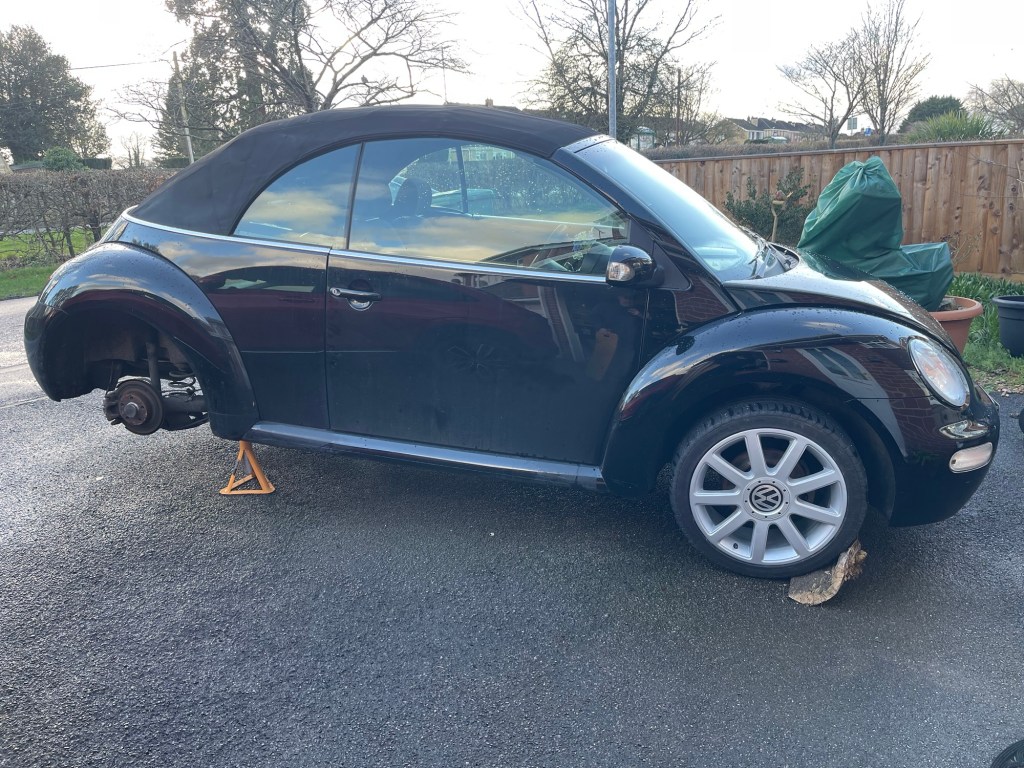
Anyway, a few mins of a puny compressor had both rears inflated and the Beetle was once again in its own four wheels.

I am never ever doing alloy wheels myself again, it takes such a long time and is very fiddly. The results are pretty average versus the effort but as this is a budget job it will have to suffice. The car sadly is not worth enough to send the wheels away for refurbishment.

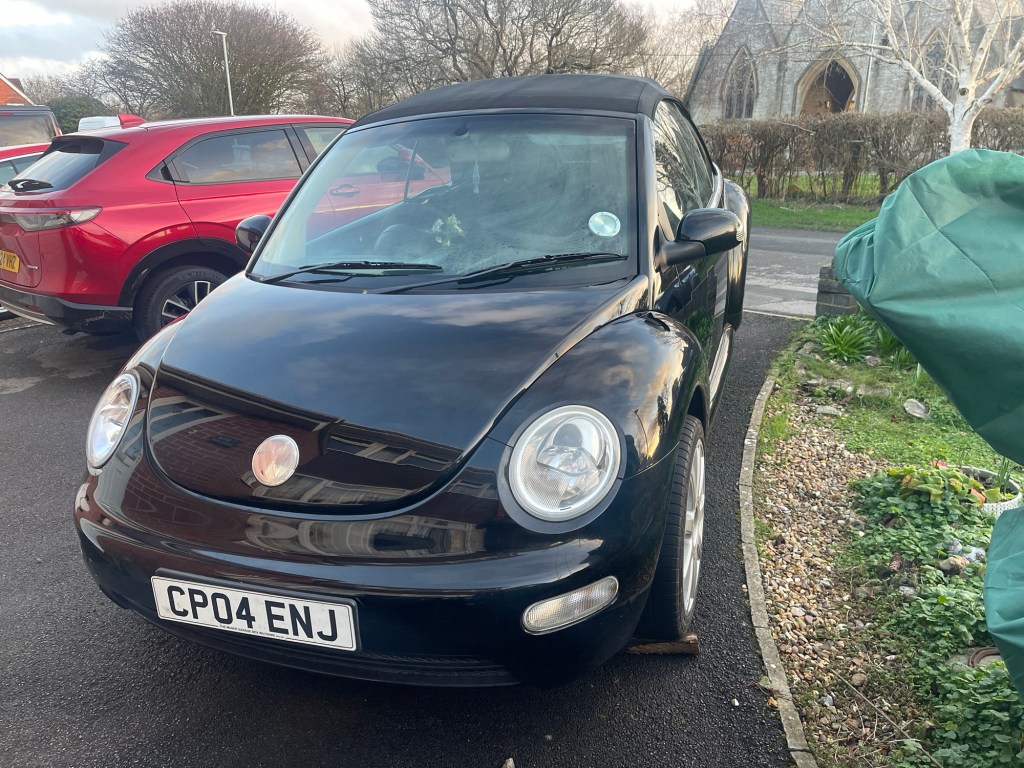
In between doing this I had given the bodywork a quick once over with a spray on cleaner that you can use dry. This was just to give it a bit of shine as it was looking a bit sad.
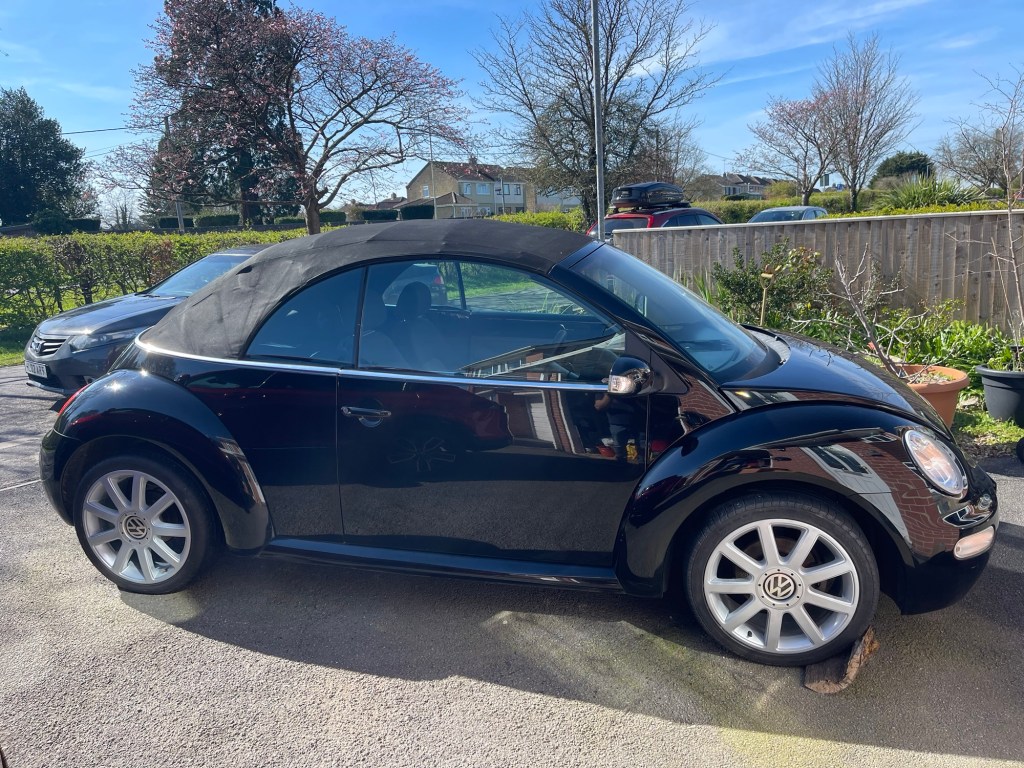
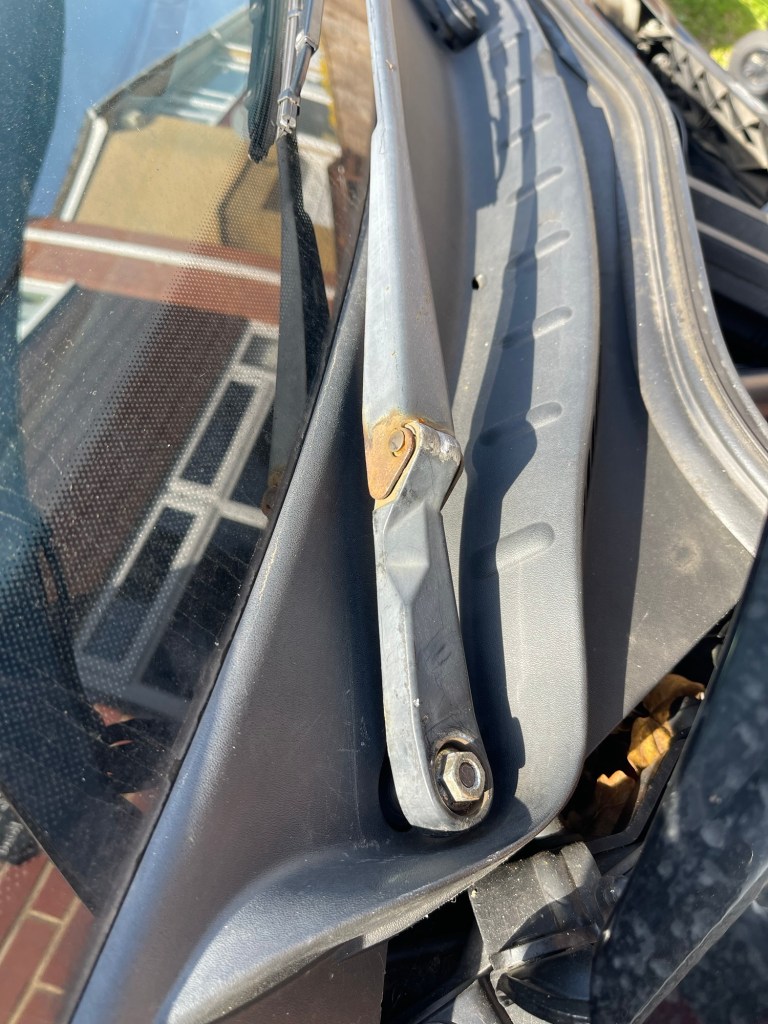
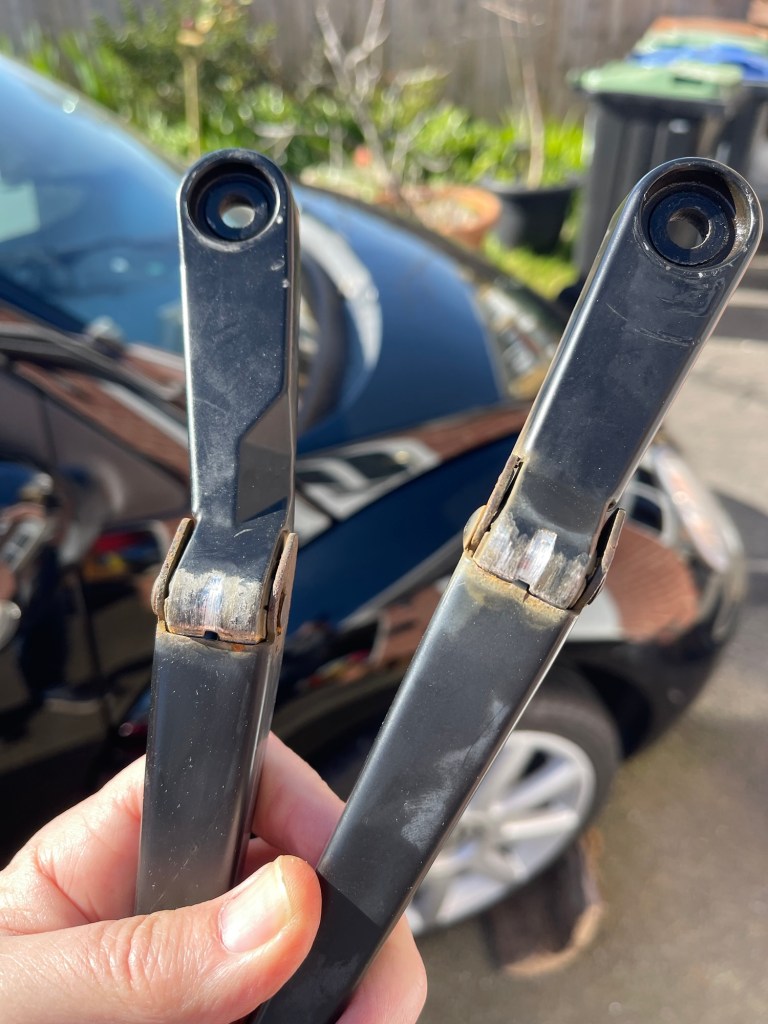
Next I removed the wipers arms which are in a rough state. The sprung mechanism is worn and so it’s scratched itself to bits. To begin with I’ve oiled it but I may need to replace as I can’t see a way to repair them. New units are over £60 so I will see what can be had second hand.
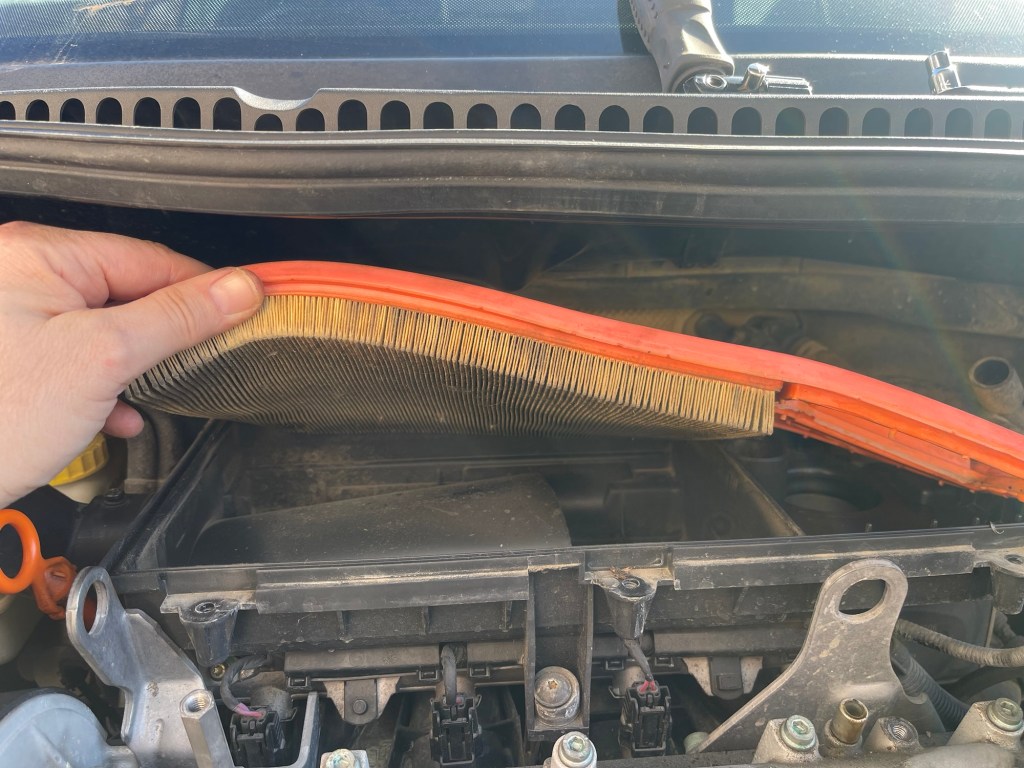
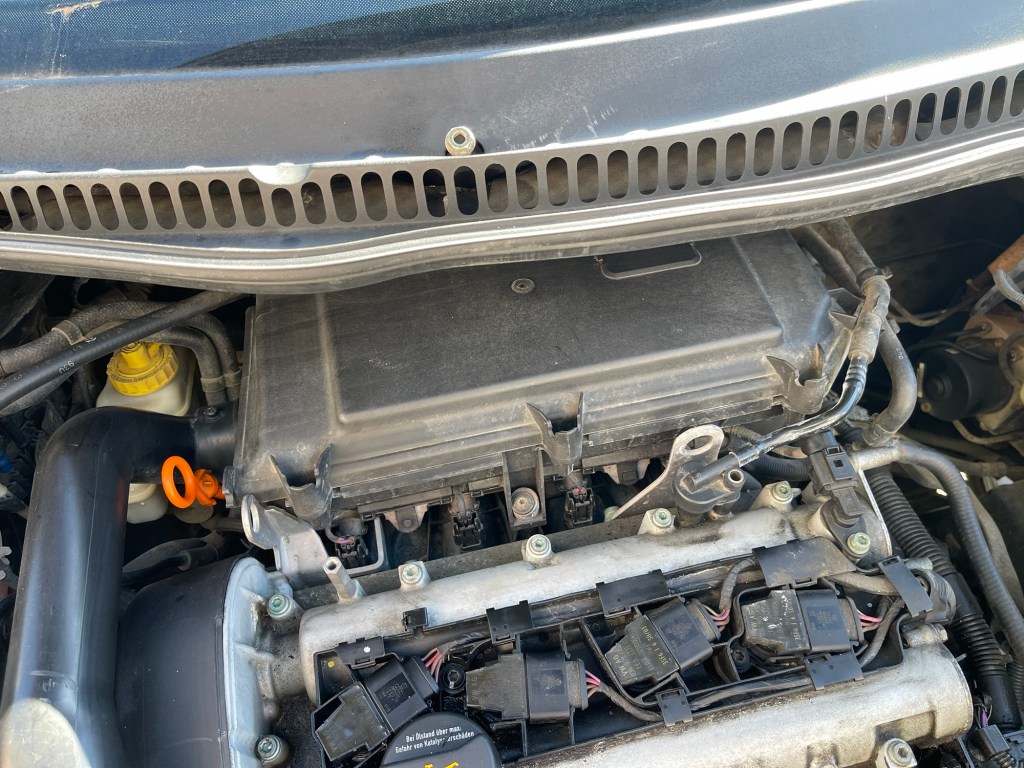
As I still had some time I explored removing the air filter which is at the rear of the engine bay tucked under the scuttle. This means that the front three screws come out easily but the back two are very awkward. I tried a few different tools, eventually finding that my screw bits fitted a socket in my mini-socket set and that gave me a low profile screw using the ratchet. I was impressed with myself for my ingenuity! I was glad when the air filter was found to be dirty because that justifies the effort in removing it. I’ll order a new one online.
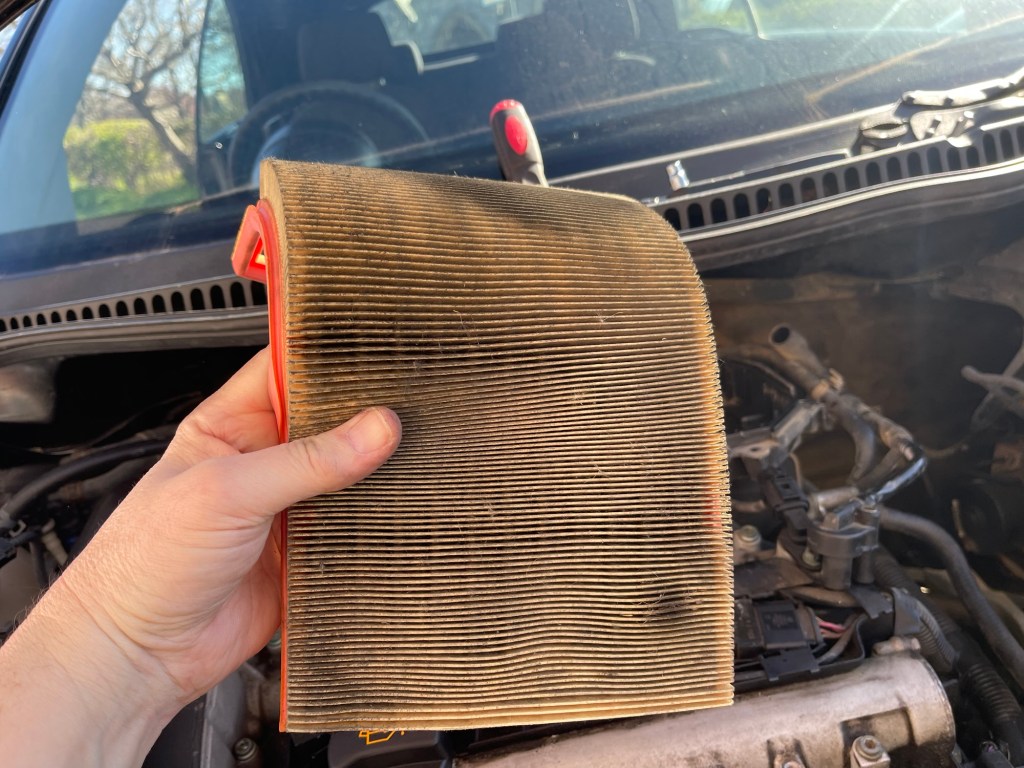
Unbelievably that little work took most of a day but to be honest I was just doing it all for fun really and just enjoying being outside in the sunshine. Oh – I did clean the interior of Helen’s car as well so not that unproductive!
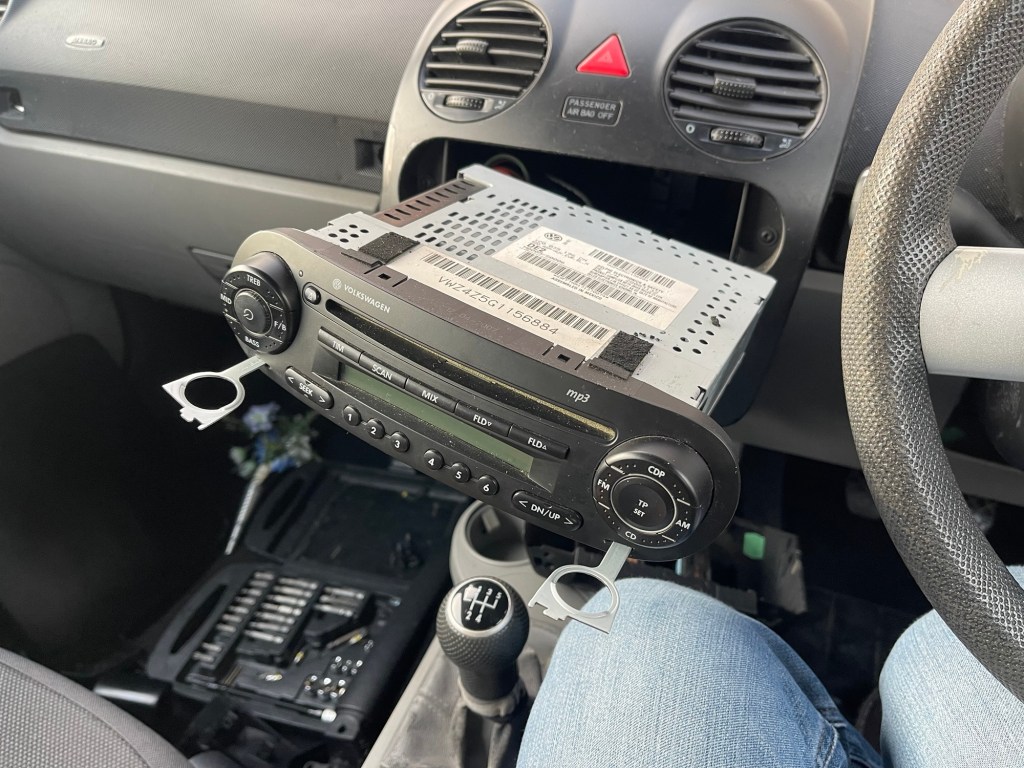
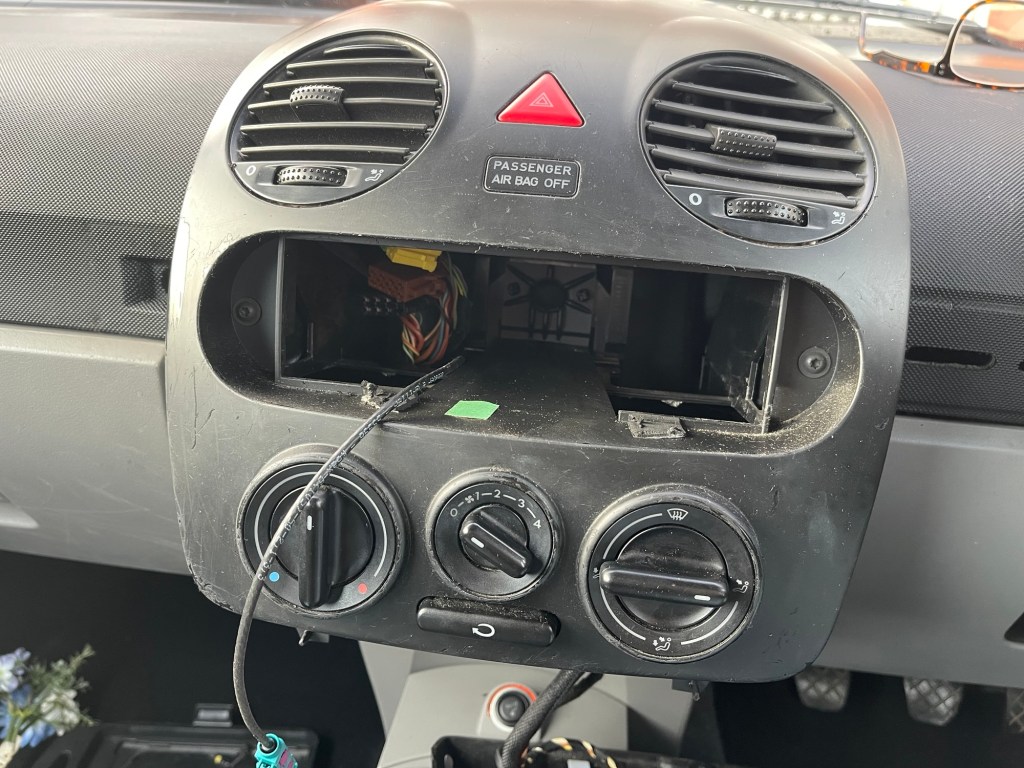
Beetle Report: Dashboard

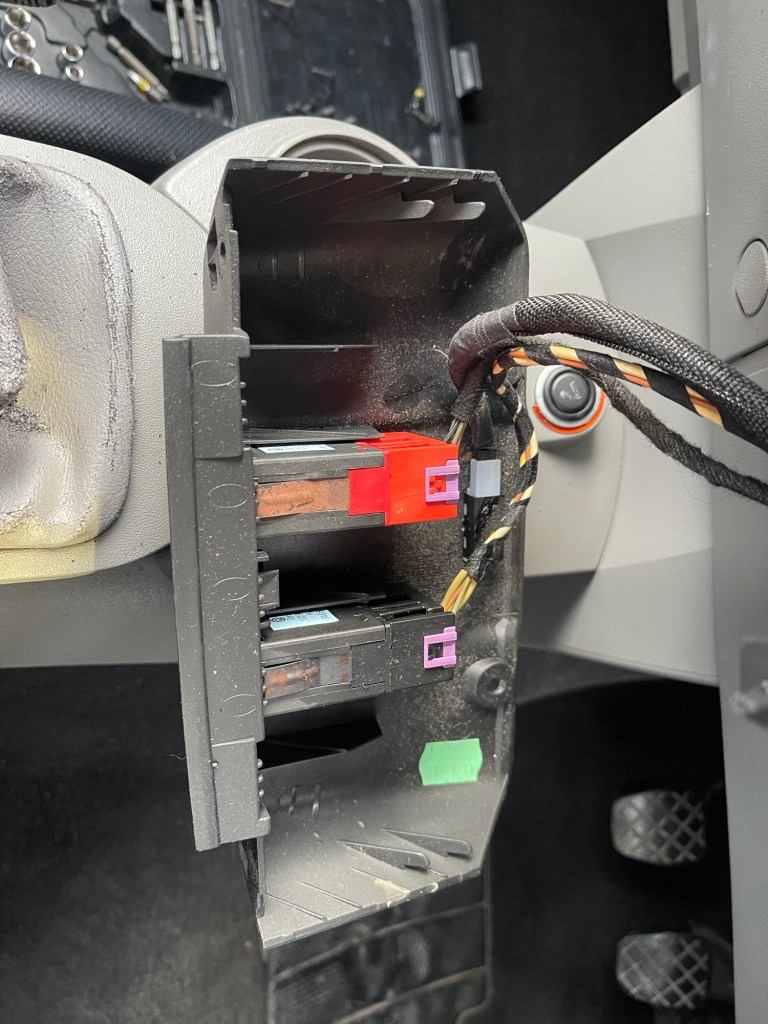
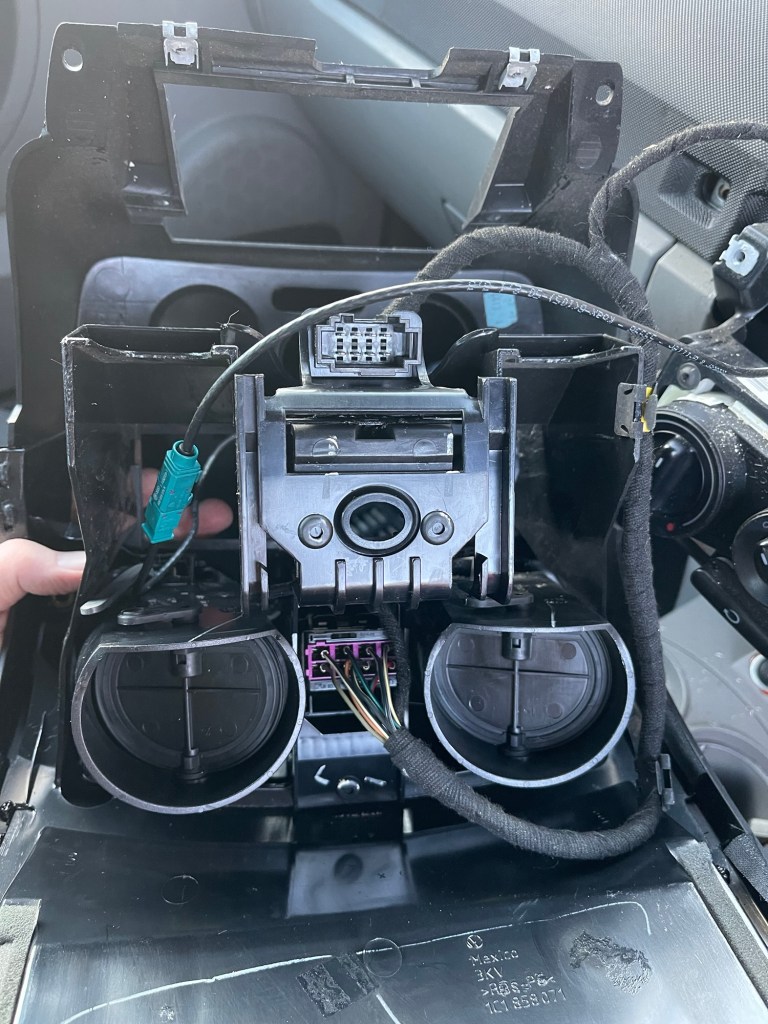
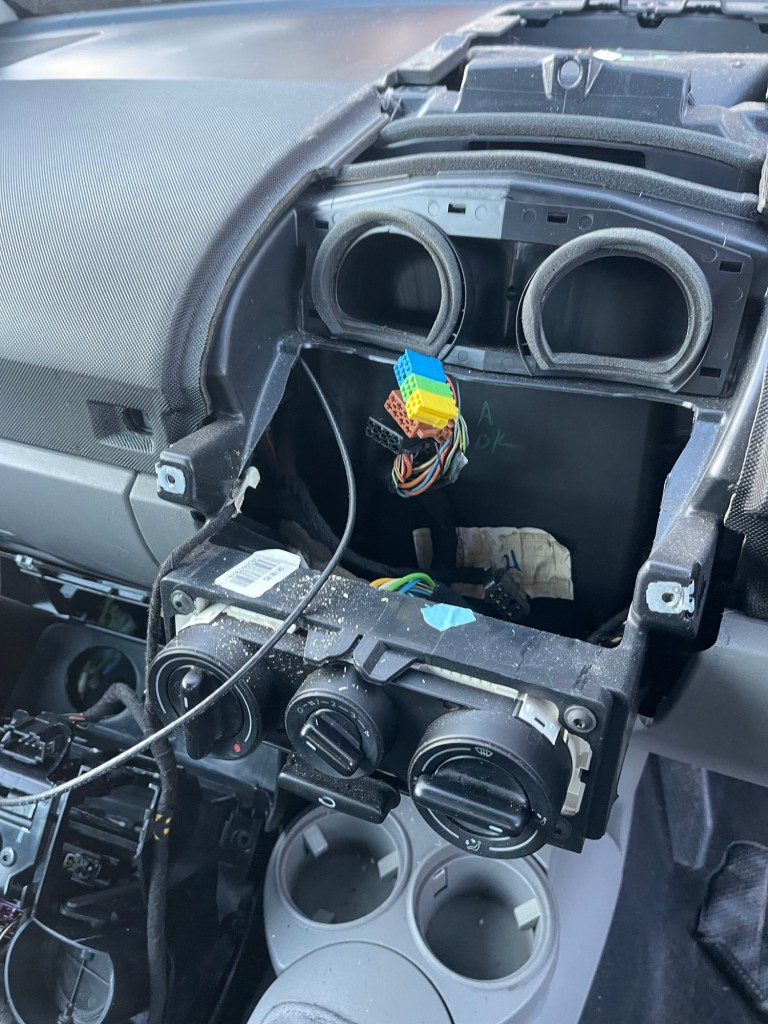
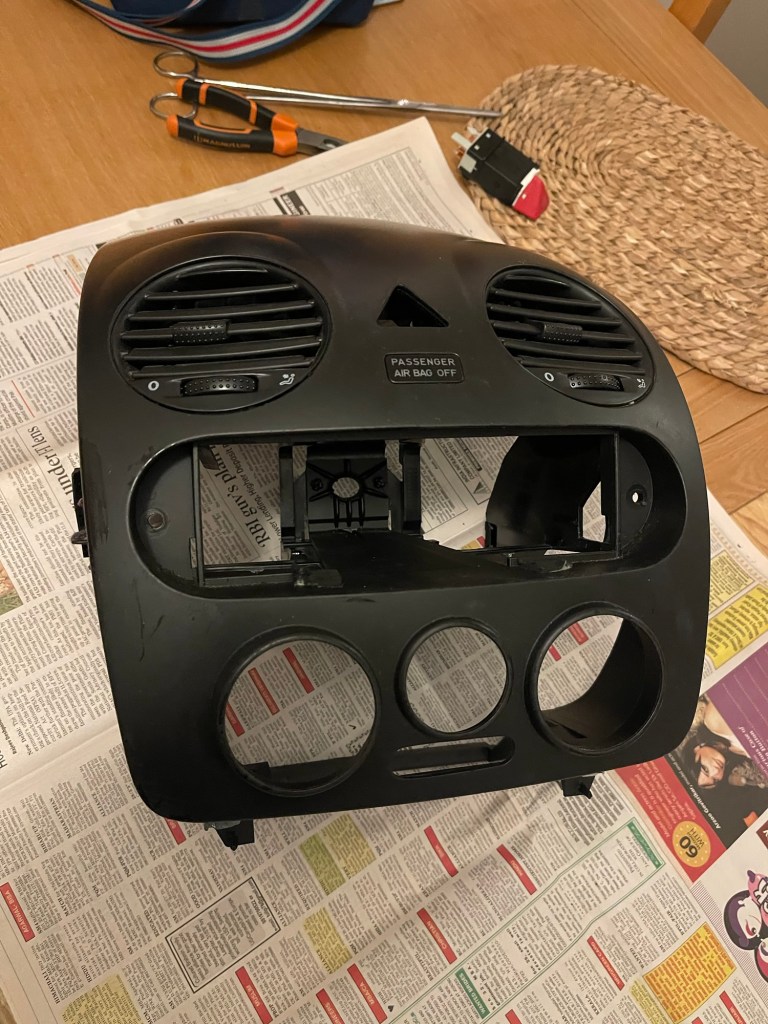
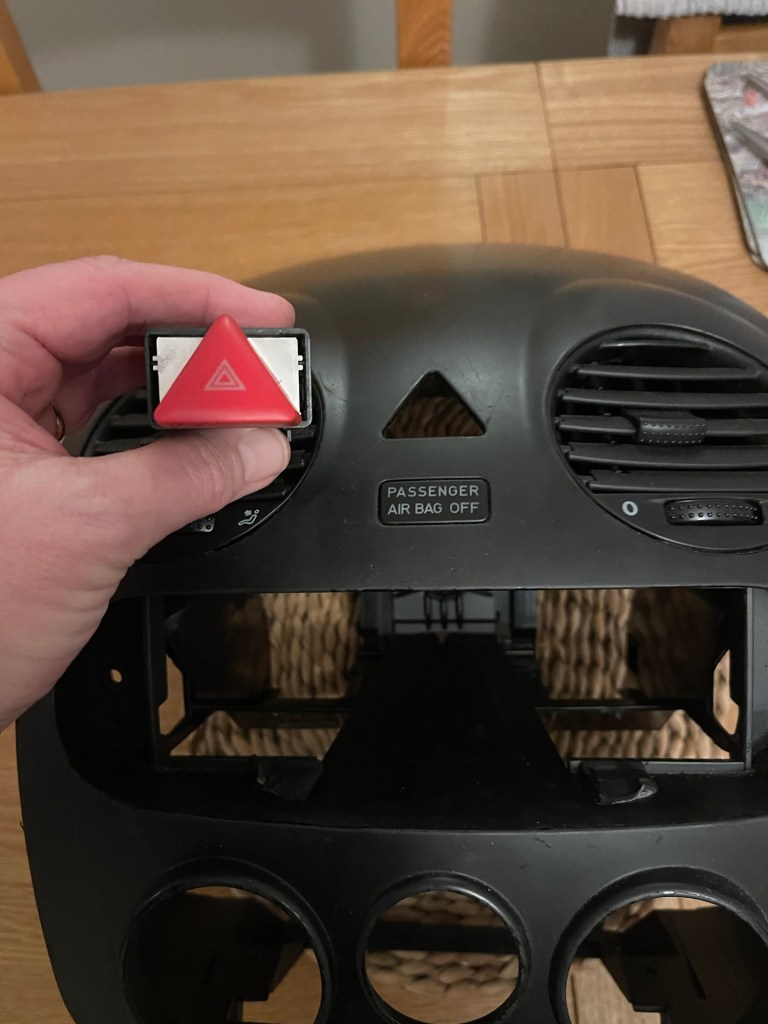
One of the face vents on the Beetle had ceased working a long time ago and with me also wanting to replace the hazard lights switch which is in the same panel it was time to tackle the not uncomplicated task of removing the central dashboard panel.

First you have to remove the front top panel which simply slides out and lifts off to reveal 2 x screws. At the bottom end there is a switch panel which comes apart with a combination of push fit and screwed fittings.

Next to remove is the radio and I’m going to give the short version here. I used two special keys which slide into slots on either side of the radio unit which unclip the radio and allow you to pull it out and disconnect it. I made that sound simple. It wasn’t.

This reveals the final 2 x screws which enables the panels to be removed and all cables disconnected. Only the panel doesn’t want to come off. Something is keeping it on – it comes so far then stops fast. Mmm. A wiggle. An exploratory tug and the brittle plastic creaks ominously. more perseverance, a few different angles and I can ease the panel off – phew.

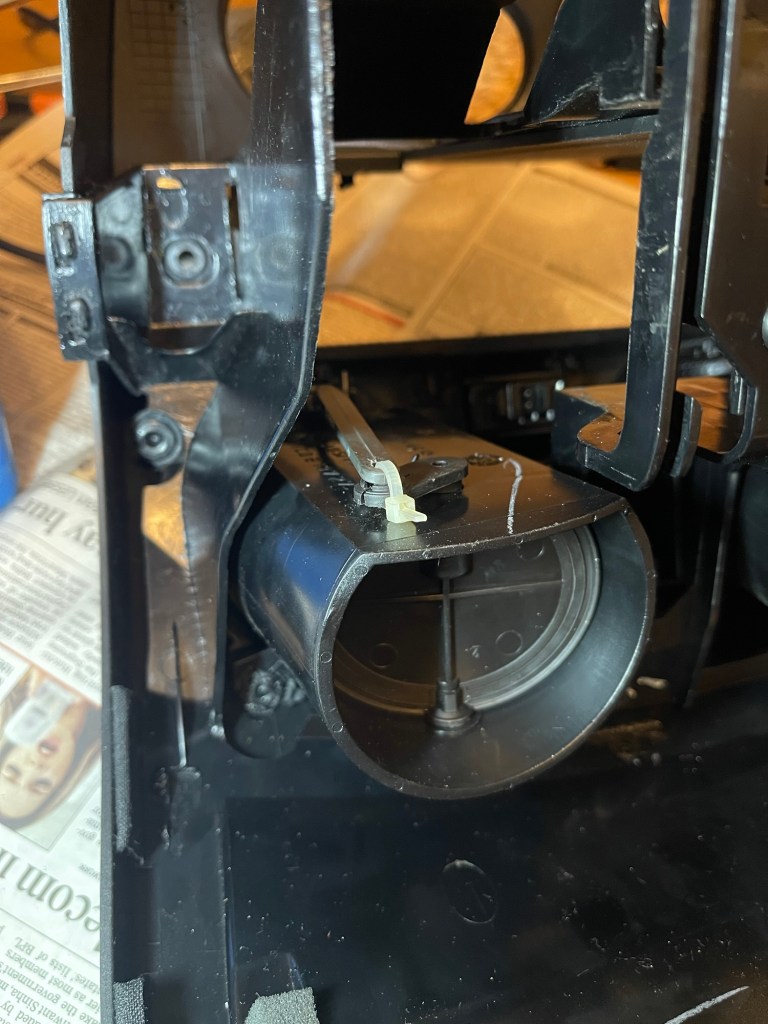
Panel removed I can clearly see the snapped lever which operates the face vents. Later I try to screw it together and end up drilling a tiny hold and using a small cable tie. Not elegant but effective.

I borrow some long nosed pliers from a friend to free the hazard switch and order a new one online. It will be funny if the new switch doesn’t fix the clicky indicators….! (An internet search diagnosed this as the problem).

Watch this space!

A light scrub

I had literally one hour spare to give the Beetle a quick spritz. Since I’ve been keeping it, I’ve not given the exterior a base clean. With fair weather it was too good an opportunity to pass up.

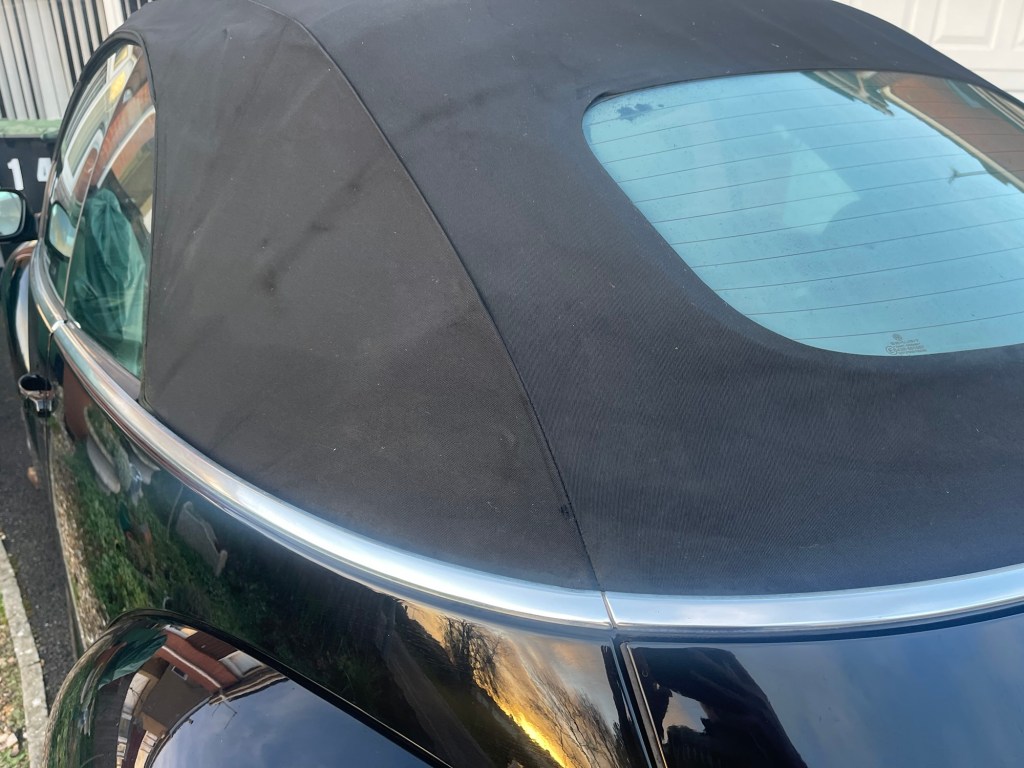
I sprayed the bodywork and the algae on the hood with Demon Clean muck shifter and while that was sitting I got out the Karcher pressure washer and layered some snow foam.

I then gave it all a good rinsing off with the pressure washer which took a while because the suds were so thick, but it did shift the road grime off pretty well.

I towel dried the paintwork and quickly sprayed on some Turtlewax Ceramic polish which goes on damp. I was fairly liberal as I was looking to add some protection rather than obtaining the best finish. It buffed off alright with a bit of smudging, so I moved onto the hood, applying some Autoglym Hood Protector which goes on with a damp sponge. It’s a runny product so not an easy application and it has low coverage so it took a bit of doing but I got a good amount soaked into the damp hood.

So not a bad hour’s work and a degree of protection on some key areas. It does look great when it’s clean like all black cars although there are loads of small corrections to be done over time. For the moment this will have to do while I focus on priorities such as refurbishing the two rear wheels

Beetle Report – More Wheels

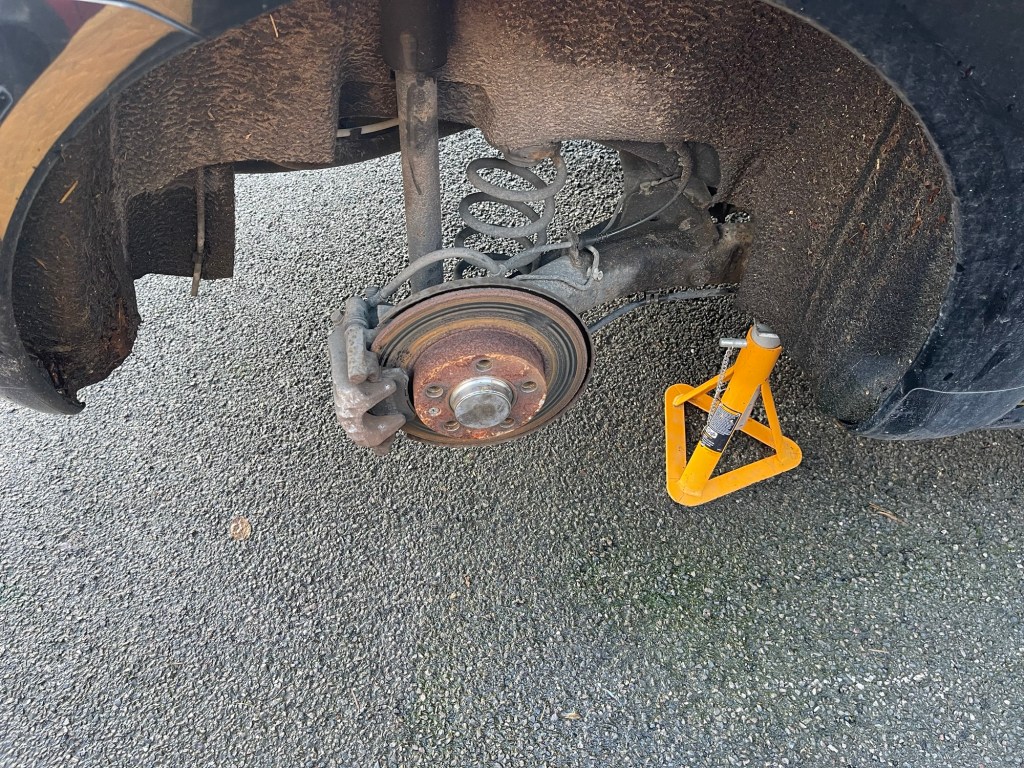
A brief easing of the relentless rain and a spare hour or two gave me the opportunity to pay some attention to the Beetle. First job was to inflate the two front tyres which had been deflated for repainting and torque the studs, duly completed with my trusty torque wrench. There followed a brief test drive around the estate during which nothing fell off.

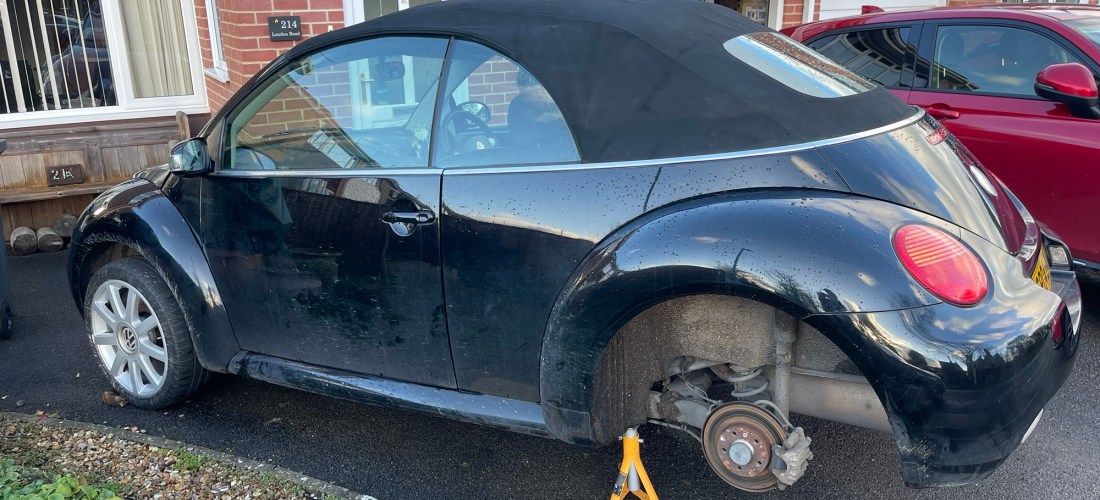
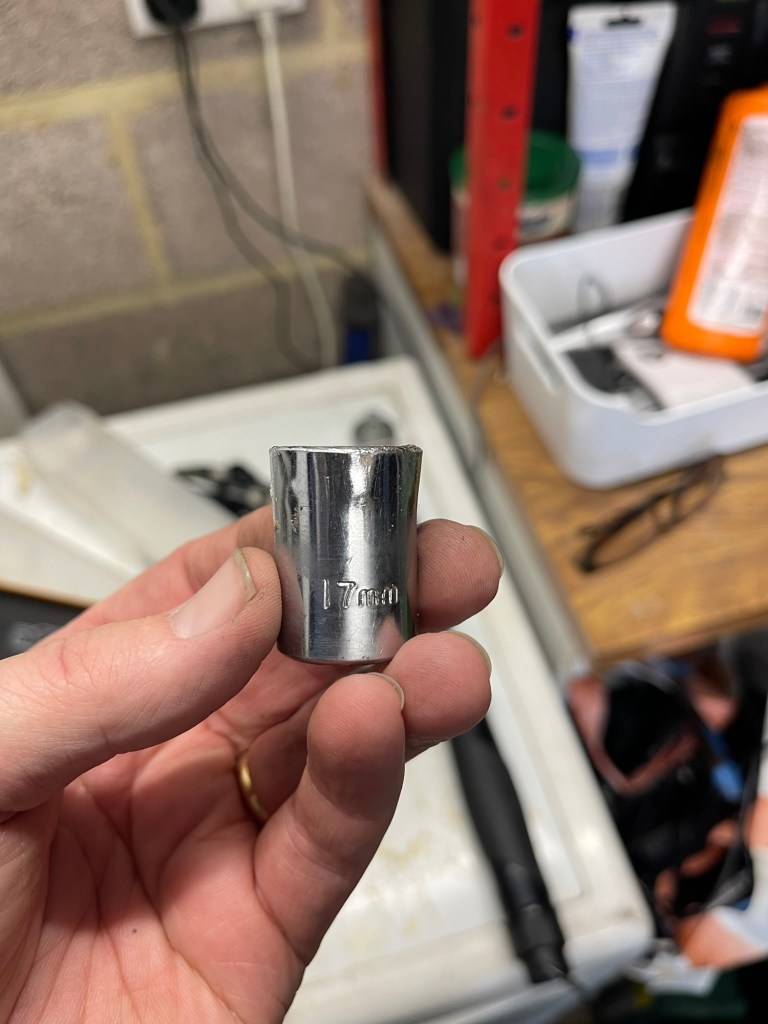
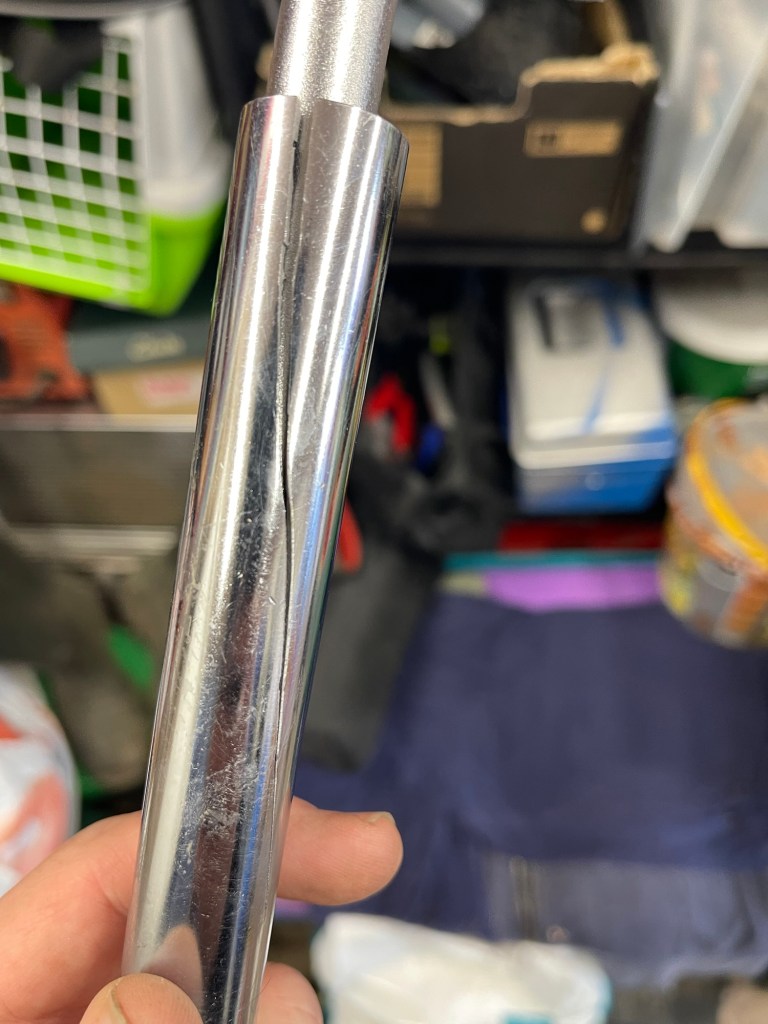
Giddy with excitement I went to loosen the rear wheel studs which had apparently been put on by an ape. Hmmm. I was using my old wheel nut wrench with its useful extension which usually has the upper hand, but after loosening each nut by standing on it (approx 98kg) and breaking the bond with a rifle like crack the poor old wrench was split. Damn. As was my 17mm socket which was pretty stretched. Damn. Fortunately not my best 17mm socket.

Anyway the rear wheels are off and ready to refurbishment in the garage, then I will have a matching set!

Alloy Wheel Refurbishment

Here’s a record of my first experience of refurbishing an alloy wheel. The alloys on Lou’s VW Beetle were pretty beaten up, despite having been professionally refurbished three years ago. A combination of factors – a low profile (40 section) tyre and difficult visibility of the car’s extremities meant that they had extensive scuffs. There are lots of companies offering wheel refurbishment (I have had previous cars done in this way) but something made me want to have a go at these wheels myself and see what sort of standard could be achieved using hand tools and spray cans.

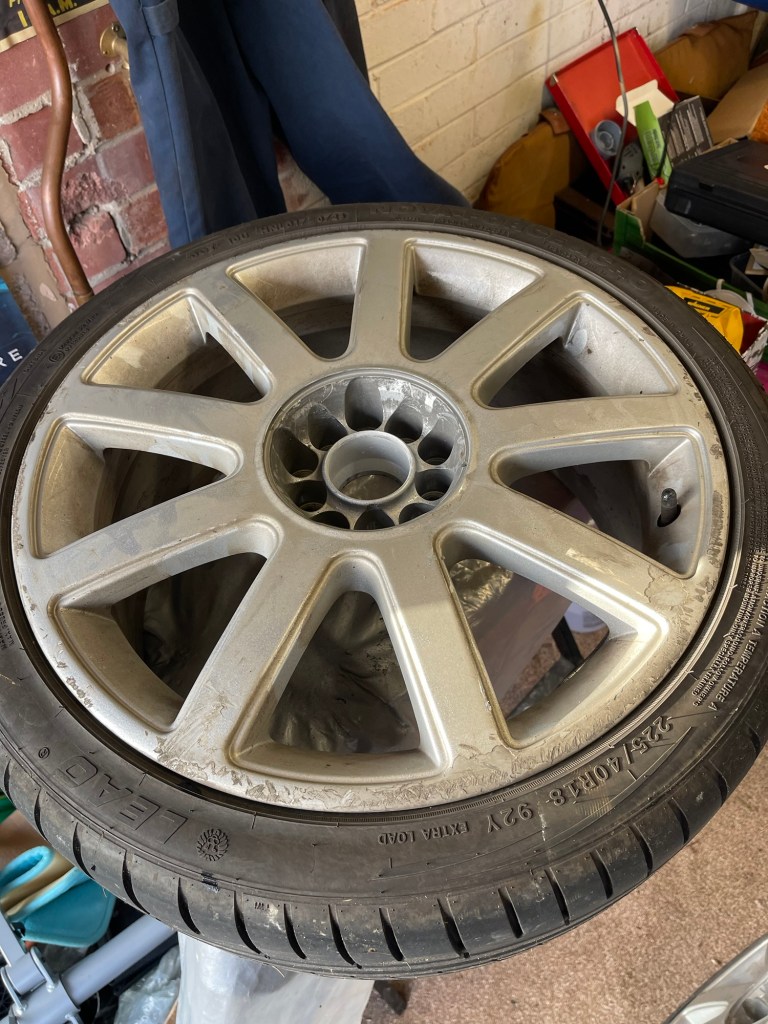
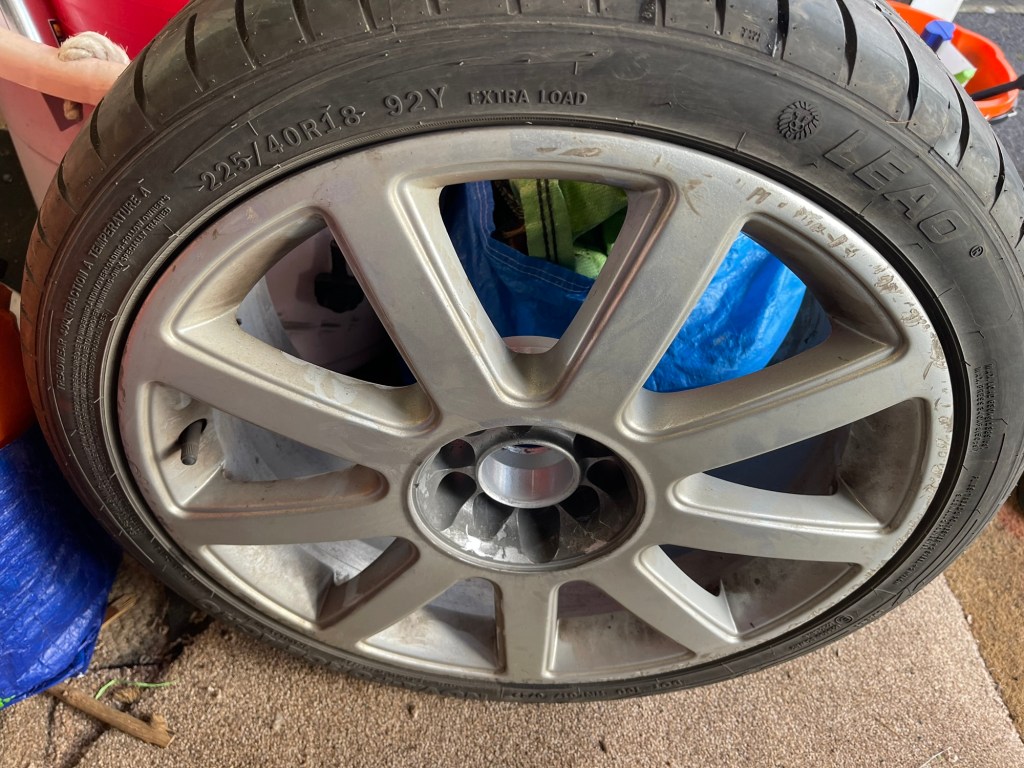
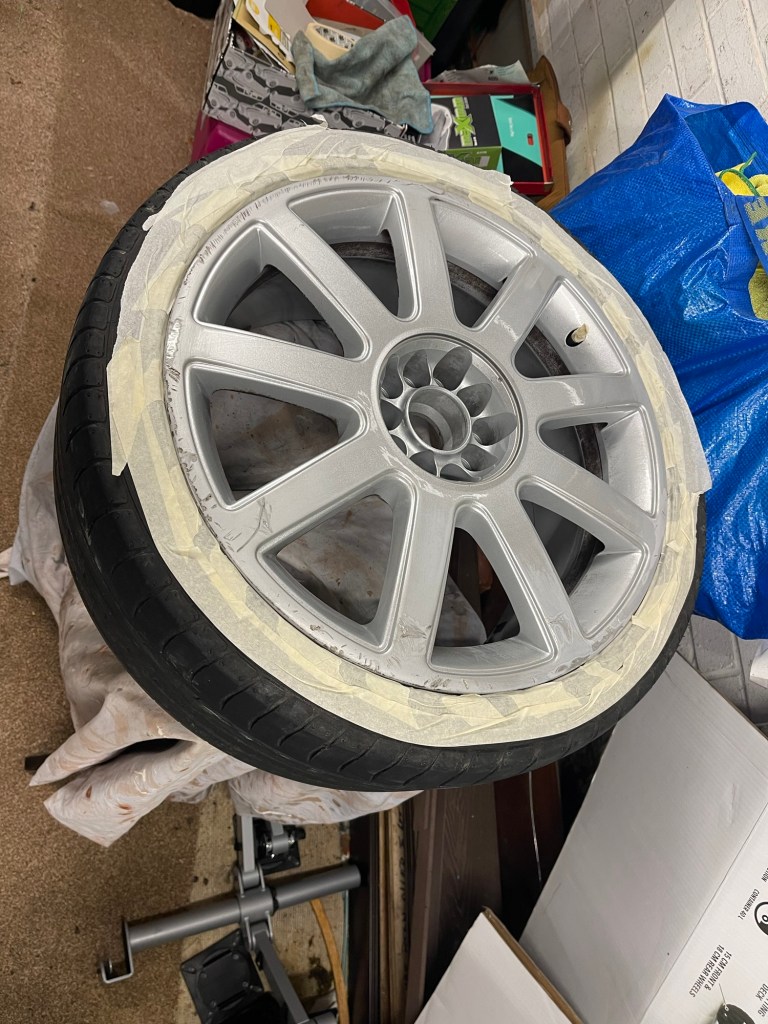
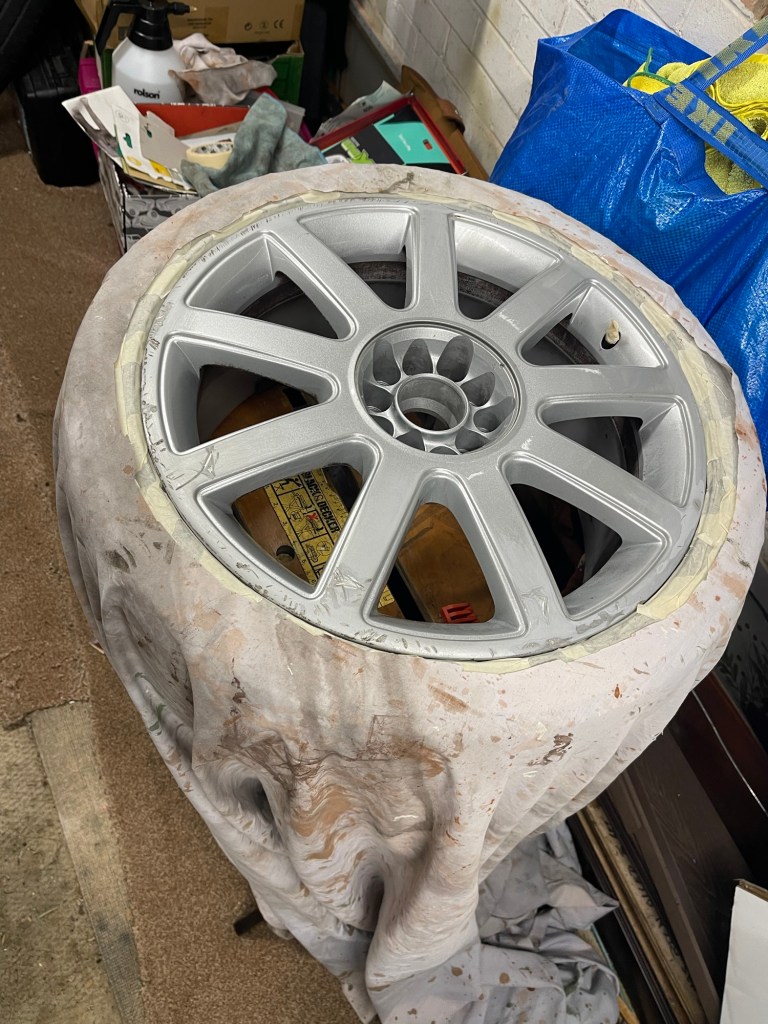
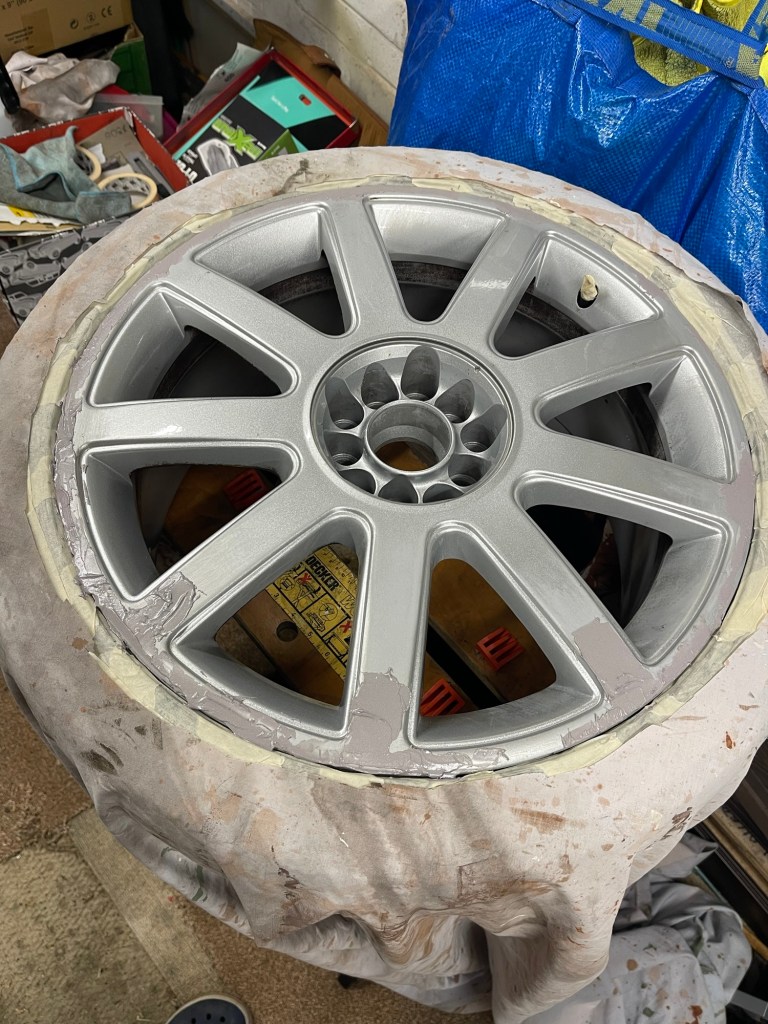
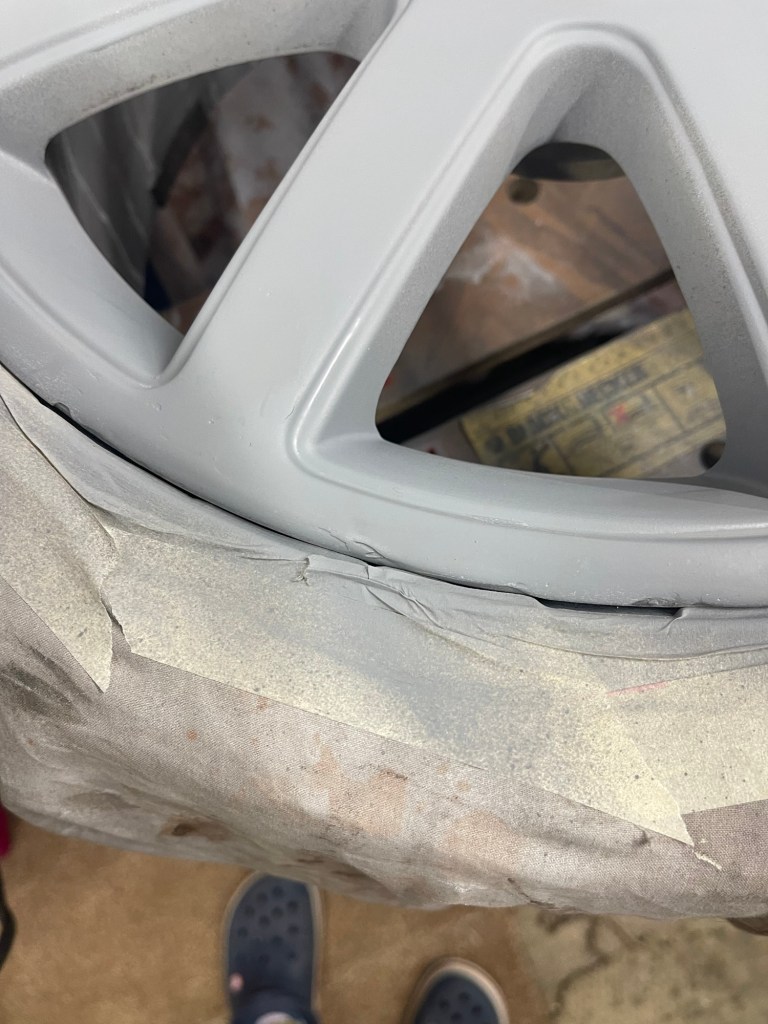
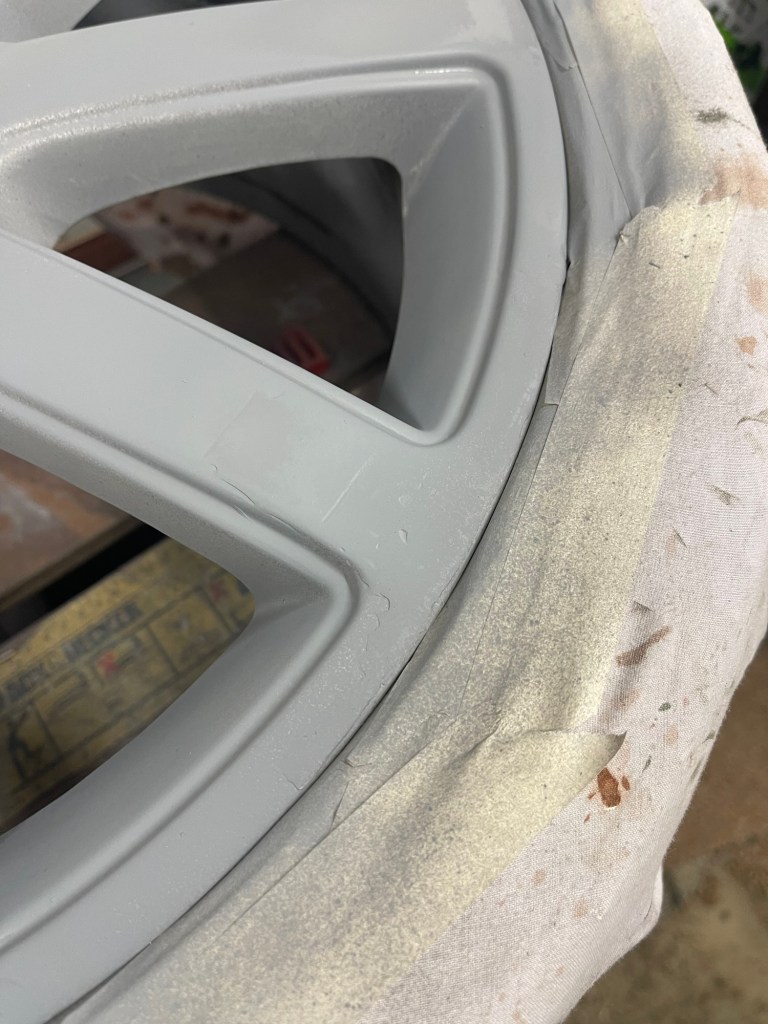
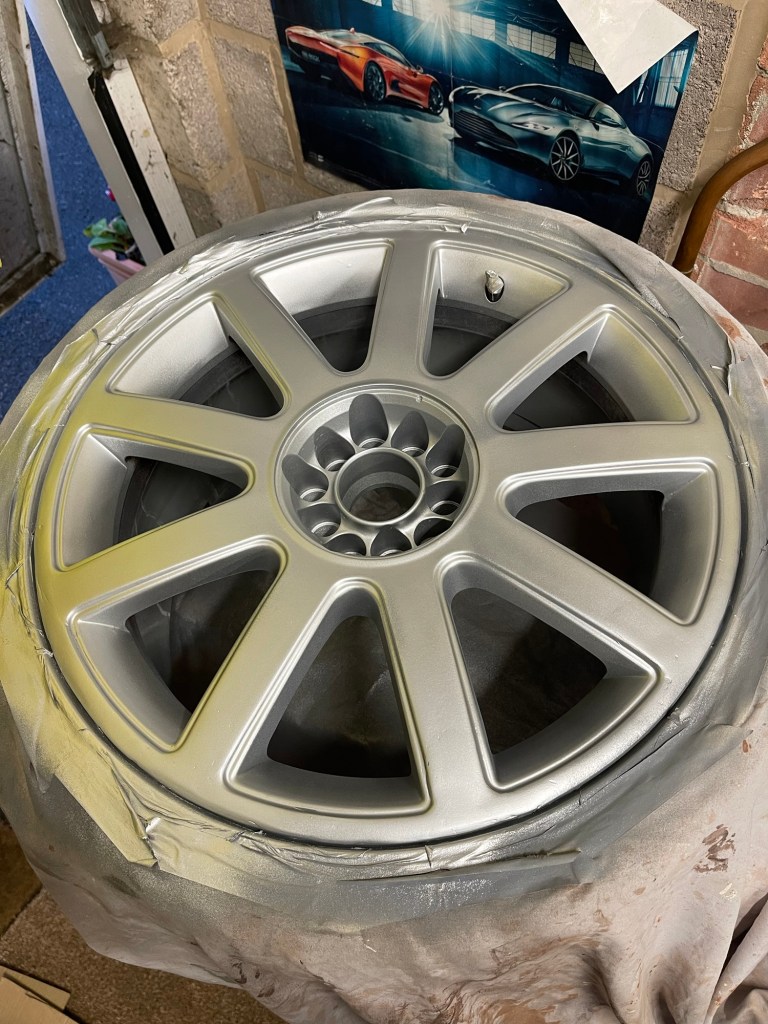
The photographs below first show the wheel in-situ. The rim is scuffed as well as some of the spokes so the initial rubbing down had to be quite extensive, although it was interesting how thin the previous finish was and I wondered how good a job that had been. I masked off the tyre with tape and then covered the rest with an old bed sheet with a round hole cut out of it. I mounted the wheel on a black and decker workmate so it was a good height to work on.

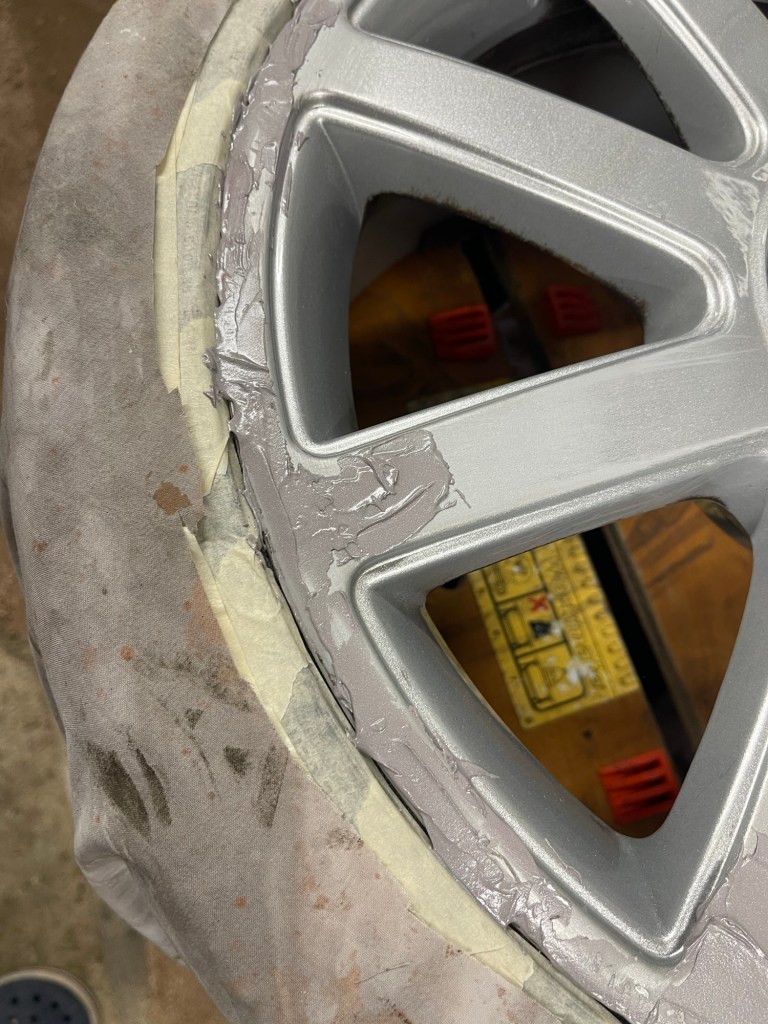
I used some alloy wheel filler to fill in the deeper scuffs and then used grades of sandpaper to rub them smooth. This was the most time consuming part of the exercise as the filler cures extremely hard – there is a careful balance to strike between rubbing the filler down to nothing with course paper and seemingly having no effect with the finer stuff. This is really not my forte and I regretted those areas where ‘put plenty in’ had been my approach, creating me a lot of avoidable work. Further, it is very hard to accurately replicate the profile of the alloy wheel which has subtle curves and radiuses. Also, I had decided to keep the tyre in place and just deflate it and this caused a problem trying to get a good edge to the rim. For a wheel in bad condition I think it would be better to remove the tyre.

After several evenings sanding the filler I got to the point of just wanting to get some paint on it. I applied about four coats each of primer, colour and lacquer. I used a heat gun to gently warm the wheel as the ambient temperature in the garage was in single figures and after each coat I used the gun again to encourage the drying process. I was reasonably happy with the overall result which is less sparkly metallic than the professional finish from a paint gun, but not bad from a rattle can.

I wonder now whether I should have started with the ‘best’ wheel and aimed to improve technique as I move through the set, but I chose the worst instead. The next wheel I have lined up is a partial respray so I will need to learn how to blend the new with the old or just commit to a complete respray. Watch this space…

Wish me luck!